Live Streaming Option: Ad-Free Nostalgia
The Unwritten Rules of the 'Biscoito Globo' on Ipanema Beach
The Unwritten Rules of the 'Biscoito Globo' on Ipanema Beach
INSIDER RIO
.SERGIO DUARTE
10/22/20256 min read


'Biscoito Globo' on Ipanema Beach
Why this humble cookie became Rio's most democratic social currency
You know what's wild? There's this little round cookie that's basically the unofficial passport to being a true carioca. We're talking about the Biscoito Globo – that simple, slightly sweet, impossibly crunchy biscuit that's been connecting people on Ipanema Beach for decades. But here's the thing: if you don't know the unwritten rules, you're basically announcing to everyone around you that you're a tourist.
The Cookie That Built a Culture
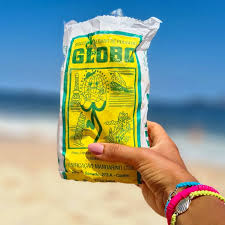
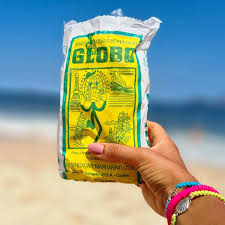
Listen, the Biscoito Globo isn't fancy. It's not artisanal. Nobody's winning any culinary awards for it. But walk onto Ipanema Beach on any given Sunday, and you'll see these iconic yellow packages being passed around like they're made of gold. The cookie was created back in 1955 by a Portuguese immigrant who wanted something simple and long-lasting for beachgoers. He nailed it.
What makes this cookie special isn't the taste – though that perfect balance of crunch and subtle sweetness hits different when you're covered in sand and salt water. It's what the cookie represents. In a city where social classes are painfully divided, the Biscoito Globo is the great equalizer. The guy in the Speedo? He's eating one. The family with the fancy cooler? They've got a pack. The beach vendor taking a break? Same cookie.
Rule #1: Always Offer, Even When You Don't Want To
Here's where things get interesting. You can't – and I mean cannot – open a pack of Biscoito Globo on Ipanema Beach without offering it to everyone within a three-meter radius. It doesn't matter if you only have five cookies left and there are eight people around you. You offer. Period.
This isn't just politeness; it's social survival. The carioca beach culture is built on this reciprocity thing. Today you share your cookies; tomorrow someone offers you their cold beer when you forgot yours. It's an unspoken contract that's been running smoothly since before most of us were born.
But here's the catch: when someone offers you their Biscoito Globo, you're expected to take just one. Maybe two if they really insist. Taking three? That's borderline aggressive. Taking four? You've just committed a social crime that'll have people talking about you for the rest of the afternoon.
Rule #2: Timing Is Everything
There's a rhythm to the Biscoito Globo on Ipanema. You don't crack open that package the moment you arrive. That's rookie behavior. You wait. You let the sun warm your skin. You take your first dip in the ocean. You settle into your beach chair or towel. Then – usually around 11 AM or 3 PM – that's when the cookies come out.
Why these specific times? Because that's when everyone else is doing it. The beach culture in Rio is surprisingly synchronized. There are waves of activity, and the Biscoito Globo has its moment. Miss that window, and you're eating alone while everyone else is playing frescobol or swimming.
Rule #3: The Vendor Relationship Is Sacred
Let's talk about the ambulantes – the beach vendors who walk up and down Ipanema selling everything from açaí to grilled cheese on a stick. These folks are the backbone of beach culture, and they have a special relationship with the Biscoito Globo.
First rule: you buy from the vendors, even if you brought your own cookies. Not every time, but enough to show respect. They're out there in the brutal Rio sun making a living, and the beach community supports them. It's how things work.
Second rule: when a vendor offers you Biscoito Globo, you can negotiate, but don't lowball. These aren't luxury items, but they're also not nothing. The price is usually fair, and haggling too hard makes you look cheap, not savvy.
Third rule: if you're sharing your cookies and a vendor walks by, you offer them one. They'll usually decline politely, but the gesture matters. It shows you understand that everyone on this beach – from the millionaire in his condo overlooking posto 9 to the guy selling sunglasses – is part of the same ecosystem.
Rule #4: The Cookie Is a Conversation Starter (Use It Wisely)
Want to make friends on Ipanema Beach? The Biscoito Globo is your wingman. But there's an art to it. You don't just shove a cookie at someone and expect instant friendship. That's weird.
The move is subtle: you open your pack, eat one yourself, then casually extend the package to the person next to you with a simple "Quer?" (Want one?). That's it. No speech. No explanation. Just the offer.
What happens next tells you everything. If they take one with a smile and a "Valeu!" (Thanks!), you've just opened a door. Maybe you chat about the water temperature. Maybe you complain about the sun. Maybe you end up playing altinha later. The cookie was the key.
But if someone declines, you don't push. You say "Tranquilo" (No worries) and move on. The beauty of the Biscoito Globo system is that it's low-pressure. It's an invitation, not an obligation.
Rule #5: Never, Ever Let a Cookie Go to Waste
Cariocas are pretty relaxed about most things. You can be late, you can change plans, you can forget someone's birthday. But wasting food – especially something as beloved as the Biscoito Globo – that's disrespectful.
If you open a pack and realize you can't finish it, you pass it around. Someone will take it. If you're leaving the beach and still have half a package, you find someone to give it to. A family with kids? Perfect. A group of teenagers? They'll demolish it. The point is, those cookies don't go in the trash.
This connects to something deeper in carioca culture: resourcefulness and community care. Nothing gets wasted when there are people around who could use it. It's not charity; it's just common sense.
Rule #6: Know Your Cookie Variants (Yes, There Are Variants)
Okay, so technically the original Biscoito Globo is the star. But over the years, the company has released different flavors – chocolate, coconut, mixed. Here's what you need to know: on Ipanema Beach, the original reigns supreme.
Bringing chocolate Biscoito Globo to the beach is fine, but people will notice. It's like showing up in a suit to a casual Friday. Not wrong, exactly, but it raises eyebrows. The original is neutral territory. It's safe. It's classic. It's what your parents ate, and their parents before them.
That said, if you bring a variety pack, you're actually making a power move. It shows effort. It shows you care. Just make sure the original is represented – that's non-negotiable.
Rule #7: The Package Becomes Public Property
Once you open that yellow package, it stops being yours in any meaningful way. It becomes communal. This is one of the most beautiful and slightly chaotic aspects of beach culture. You might open a package planning to eat, say, ten cookies over the course of an afternoon. By the time you reach for your third one, there are four left, and you have no idea where the others went.
Your kids ate two. Your partner ate one. The guy next to you took one. His girlfriend took another. The vendor you offered to grabbed one after all. And somehow, you're not even mad. That's just how it goes. The Biscoito Globo teaches you about letting go and trusting in abundance. There's always more where that came from.
What the Cookie Really Means
Look, at the end of the day, we're talking about a simple cookie that costs a few reais. But the Biscoito Globo represents something bigger: the idea that public space belongs to everyone, and we all have a responsibility to make it work.
Ipanema Beach could be a chaotic nightmare of competing interests and social tension. Instead, it's one of the most democratic public spaces in the world. Rich and poor, young and old, locals and tourists – everyone shares the same sand, the same water, the same sun. And yeah, the same cookies.
The unwritten rules around the Biscoito Globo aren't really about the cookie. They're about respect, generosity, and community. They're about understanding that you're part of something larger than yourself. They're about knowing that the small gestures – offering a cookie, accepting one with gratitude, not taking too many – are what hold a society together.
So next time you're on Ipanema Beach and someone offers you a Biscoito Globo, take it. Say thanks. And remember: you're not just eating a cookie. You're participating in a decades-old tradition that's kept this beach magical through military coups, economic crises, and everything else life has thrown at Rio.
That's the real magic of the Biscoito Globo. It's not about the ingredients. It's about what happens when people decide that sharing something small can create something beautiful.
Now you know the rules. Don't break them. The beach is watching.